
Category: Branding

  • The Importance of Storytelling in Business

    The Importance of Storytelling in Business

    In today’s fast-paced and competitive business landscape, effective communication is more crucial than ever.

    One powerful method that has stood the test of time is storytelling. While data is essential, stories resonate with people on a deeper emotional level. They can inspire, engage, and persuade, driving business success. In this blog, we will explore the importance of storytelling in business and how aligning your narrative with your target audience can enhance your communication strategy.

    People naturally connect with stories on an emotional level.

     From ancient folklore to modern-day films, narratives have captivated audiences across generations. In the business context, storytelling allows companies to present their values, missions, and visions in a relatable way. When a brand shares its journey, struggles, and successes, it creates an emotional connection with its audience. This connection fosters loyalty, as people are more likely to support brands that resonate with their individual experiences and values.

    For instance, consider a company that aims to promote sustainability. By sharing a story about its founder’s journey to reduce waste and protect the environment, the brand can engage customers who are enthusiastic about eco-friendly practices. When people feel that a brand shares their values, they are more inclined to become advocates for that brand.

    Identifying with Your Target Audience

    To maximize the impact of storytelling, it is essential to identify and understand your target audience. What are their interests, pain points, and aspirations? By tailoring your narrative to address these elements, you can create a compelling story that speaks directly to them.

    For example, if your target audience consists of young professionals, you might craft a story that highlights the challenges they face in their careers and how your product or service can help overcome those obstacles. This approach not only highlights your understanding of their needs but also positions your brand as a solution provider.

    Building a Consistent Brand Identity

    Storytelling also plays a pivotal role in establishing a consistent brand identity. Every story you tell should align with your brand values and messaging. This consistency builds trust and credibility over time, making it easier for your audience to recognize and remember your brand.

    A well-crafted narrative can also differentiate your business from competitors. In a saturated market, a unique story can be the deciding factor for potential customers. For instance, if two companies offer comparable products, the one with a compelling story—about their commitment to social responsibility or innovative practices, may stand out and attract more customers.

    Enhancing Employee Engagement

    Storytelling is not just a tool for external communication; it can also enhance internal engagement within organizations. Sharing stories about employees, successes, and challenges fosters a sense of belonging and unity among teams. When employees feel connected to the company’s narrative, they are more likely to be engaged, motivated, and committed to the organization’s goals.

    Moreover, leaders who use storytelling in their communication can inspire their teams and drive cultural change. Whether it is sharing a personal experience or a success story from within the organization, these narratives can reinforce company values and encourage employees to embody those principles in their work.

    Conclusion

    Incorporating storytelling into your business strategy is not just an option; it is a necessity in today’s communication landscape. By connecting with your audience on an emotional level, identifying their needs, and building a consistent brand identity, you can create powerful narratives that resonate and inspire action.

    As you develop your storytelling approach, remember to keep your target audience at the forefront. Engage them with stories that reflect their values and aspirations and watch as your brand transforms into a trusted partner in their journey.

    Key Takeaways

    • Storytelling connects on an emotional level, fostering loyalty.
    • Tailor your narrative to your target audience’s interests and challenges.
    • Consistent storytelling builds brand identity and trust.
    • Engaging stories can enhance employee morale and engagement.

    In summary, the art of storytelling is a powerful tool for any business aiming to connect deeply with its audience and create lasting impact. Embrace it and transform the way you communicate!

    For more information about the author visit: https://gailbourque.com or Set up some time to talk
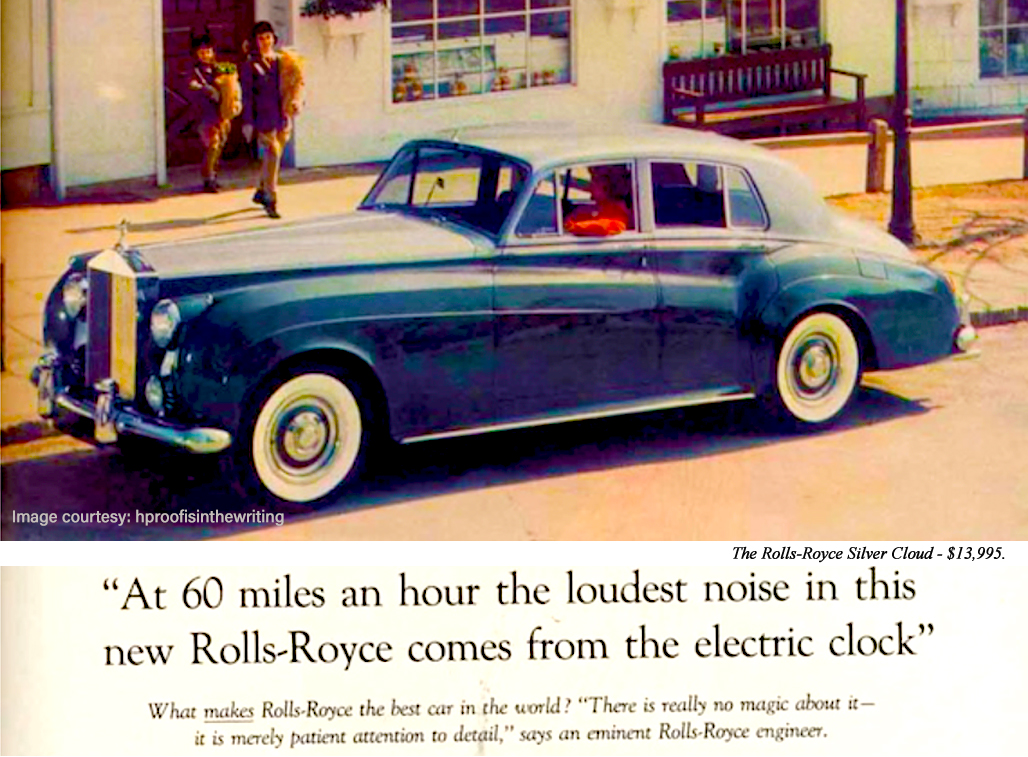
  • An ‘Ogilvy’ rose by any other name…

    An ‘Ogilvy’ rose by any other name…

    I was educated in the advertising school of David Ogilvy, although a ‘few’ years later. I actually integrated his concepts into an advertising design class I taught, and my business of course. I find it fascinating that Ogilvy’s original concepts can still be applied to marketing today. His wisdom has just been transformed or relabeled by 2025’s digital advertising landscape.

    🔁 1. “The Consumer Isn’t a Moron, She’s Your Wife” have → Behavioral Targeting & Empathy Mapping

    • Ogilvy’s Idea: Respect the intelligence of your audience. Understand their needs as real people.
    • 2025 Version: Empathy mapping, customer personas, behavioral data tracking — these are now powered by AI, but they serve the same purpose: understand and respect your audience’s mindset.
    • Rebranding: “User-centric design,” “AI-driven personalization,” “customer journey orchestration.”

    🧠 2. “Tell the Truth but Make the Truth Fascinating” → Authentic Content Creation & UGC

    • Ogilvy’s Idea: Honesty in advertising builds long-term trust. But it should be compelling.
    • 2025 Version: Brands now prioritize authenticity and transparency, especially among Gen Z and Gen Alpha. User-generated content (UGC), creator partnerships, and behind-the-scenes storytelling echo this.
    • Rebranding: “Authentic storytelling,” “brand transparency,” “creator economy.”

    📚 3. “Research is the Key to Good Advertising” → AI-Driven Market Intelligence

    • Ogilvy’s Idea: Conduct thorough research. Know your product, your market, your competition.
    • 2025 Version: Instead of manual research, advertisers now use machine learning and real-time analytics to analyze data streams from social platforms, e-commerce, and search behaviors.
    • Rebranding: “Predictive analytics,” “real-time customer insights,” “data-driven creative.”

    ✍️ 4. “The Headline is the Most Important Element” → SEO, CTR Optimization, & Hook Science

    • Ogilvy’s Idea: Headlines sell. If you don’t grab attention in the headline, you’ve lost the sale.
    • 2025 Version: Headlines (now called hooks, scroll-stoppers, or above-the-fold CTAs) are tested with A/B tools, optimized for SEO, and crafted using natural language AI to maximize click-through rates.
    • Rebranding: “Hook optimization,” “AI copy generation,” “attention engineering.”

    🛍 5. “The More You Tell, The More You Sell” → Long-Form Content & Story Funnels

    • Ogilvy’s Idea: Informative ads work better than flashy ones. Give people the facts.
    • 2025 Version: Long-form sales funnels, content marketing, and educational videos (on platforms like TikTok, YouTube, and webinars) are now commonplace. People spend more time engaging if the story is interesting and valuable.
    • Rebranding: “Content funnels,” “value-first marketing,” “narrative commerce.”

    📈 6. “If It Doesn’t Sell, It Isn’t Creative” → Performance Creative & Conversion Metrics

    • Ogilvy’s Idea: Creativity should drive results. Awards mean nothing if the ad doesn’t sell.
    • 2025 Version: The rise of performance creative blends artistic vision with conversion-focused design. Creative teams are now paired with data scientists and growth marketers.
    • Rebranding: “Creative effectiveness,” “growth design,” “performance branding.”

    📺 7. TV Ads with Repetition and Consistency → Omnichannel Brand Consistency

    • Ogilvy’s Idea: Consistent branding and messaging across all touchpoints.
    • 2025 Version: Brands now use omnichannel strategies, ensuring a consistent message across platforms — TikTok, Instagram, email, AR experiences, and even voice assistants.
    • Rebranding: “Brand coherence,” “cross-platform storytelling,” “experience unification.”

    Summary Table

    Ogilvy Principle2025 EquivalentRebranded As
    Respect the consumerEmpathy Mapping & PersonalizationAI-led UX
    Tell the truth, make it fascinatingAuthentic Content & UGCCreator Economy
    Research is vitalAI Market IntelligencePredictive Insights
    Headline is kingHook Optimization & SEOScroll-stopper Science
    More info = more salesLong-form Funnels & ContentNarrative Commerce
    Creativity must sellPerformance CreativeGrowth Design
    Consistency across mediaOmnichannel PresenceBrand Experience

    🧠 Final Thoughts

    What’s fascinating is that Ogilvy’s timeless principles have come full circle, but in 2025 they wear sleek, tech-enhanced clothing. Many marketers who once dismissed these ideas as “old-school” now embrace them through new language and new tools, often without realizing they’re rediscovering Ogilvy.

    In a way, David Ogilvy is the ghost in the machine of modern marketing. His spirit lives on — now powered by algorithms, data lakes, and TikTok trends.

    And for more ideas that are so old they are “new” find some Ogilvy wisdom here. You’re welcome!

    For more in-depth, valuable insights on The Future of B2B: Reinventing The Marketing Value Chain read more….

    More info about the author…https://gailbourque.com